Optimising your production process means removing repetitive tasks and common errors. Whether you work in offset, gravure, flexo, digital or large format — it is valuable for every printer. The key is not the choice of a tool, but a thorough analysis and strategic approach.
Through an example
We could dive deep into every step, but let's make it concrete with a real-world example. Hopefully it inspires you to get started yourself.
Mapping current processes
In our example, one person was given the task: 'Analyse and optimise.' Maybe that's you. The entire process was examined, from order intake to delivery — every manual step and potential delay mapped out. Interviews with staff and even clients exposed pain points, and process-flow diagrams made complex processes visually clear. Then something interesting happened…
“We have a problem!”
During the mapping, an order went completely wrong. Panic struck and management was angry: 'How could this happen?! Who is responsible?!' But instead of dwelling on emotion, we applied the Five Whys method.
The Five Whys method in action
The Five Whys method, developed by Sakichi Toyoda, uncovers the root cause of a problem. Here is how we applied it:
Why did printing go wrong? Because a wrong ICC profile was attached to the image.
Why was the wrong profile used? Because the client did not deliver the PDF correctly.
Why did we not check that? Because no checking process was set up.
Why do we have no checking process? Because we never fully examined our workflow.
Why do we not examine our workflow regularly? Because no standard quality-control process was agreed.
Brainstorm and test
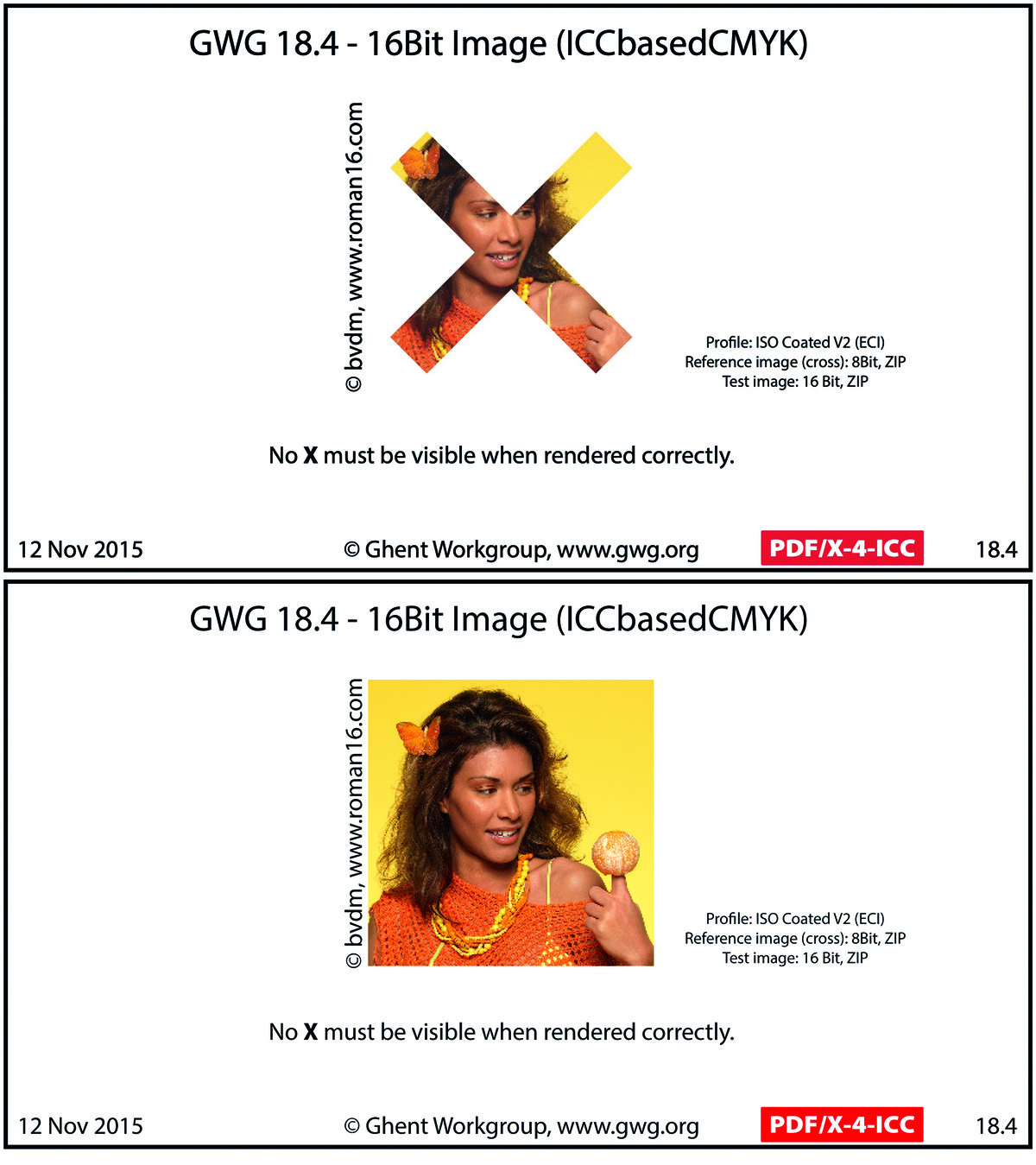
This insight led us to a solution: the Ghent PDF Output Suite. By running test files through the workflow, we discovered not only the ICC problem but also other compatibility errors — giving us a clear picture of areas to improve.
Doing something about it
With the results, we adapted a Certified PDF profile specifically for the company's equipment. Automatic checking of ICC profiles rejected errors immediately, and a visual check before the RIP process added extra certainty. This minimised errors and increased customer satisfaction.
The result? Fewer misprints, more orders and more customer trust. The cost of that one misprint did not outweigh the gain from this investigation.
Conclusion
Designing a workflow does not start with software, but with analysing your current processes. By identifying bottlenecks and improving step by step, you take your production to a higher level.
Image: Nothing Ahead. Tech credits: Ghent Workgroup (gwg.org).