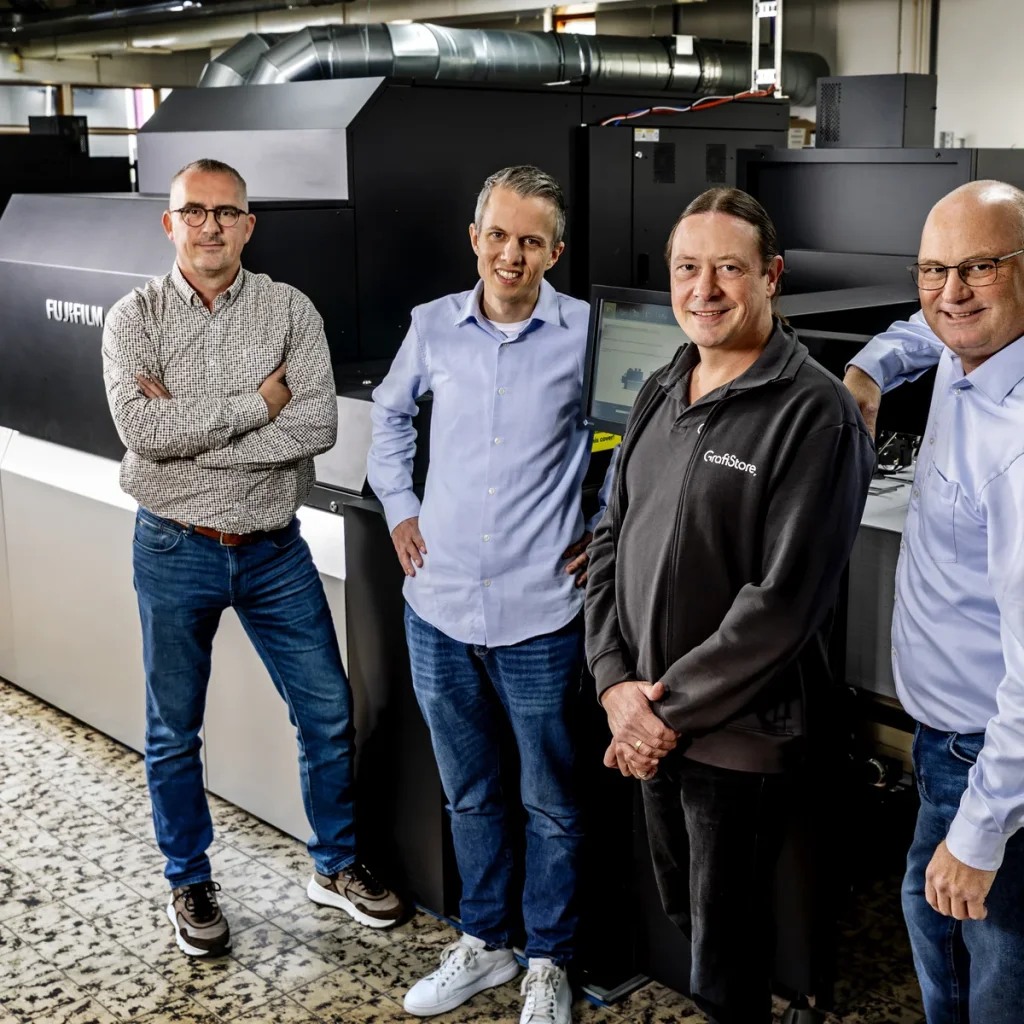
In 2024, Fujifilm Imaging Products & Solutions in Steenbergen built a digital press department for photo products from scratch within seven months. For double-sided printing of unique, personalised photo products, they chose the powerful imposition software Enfocus Phoenix, represented by GrafiStore. We spoke with Frank Lubbers, Mark Joosse (Fujifilm) and Germen Kroon (GrafiStore).
A tricky puzzle
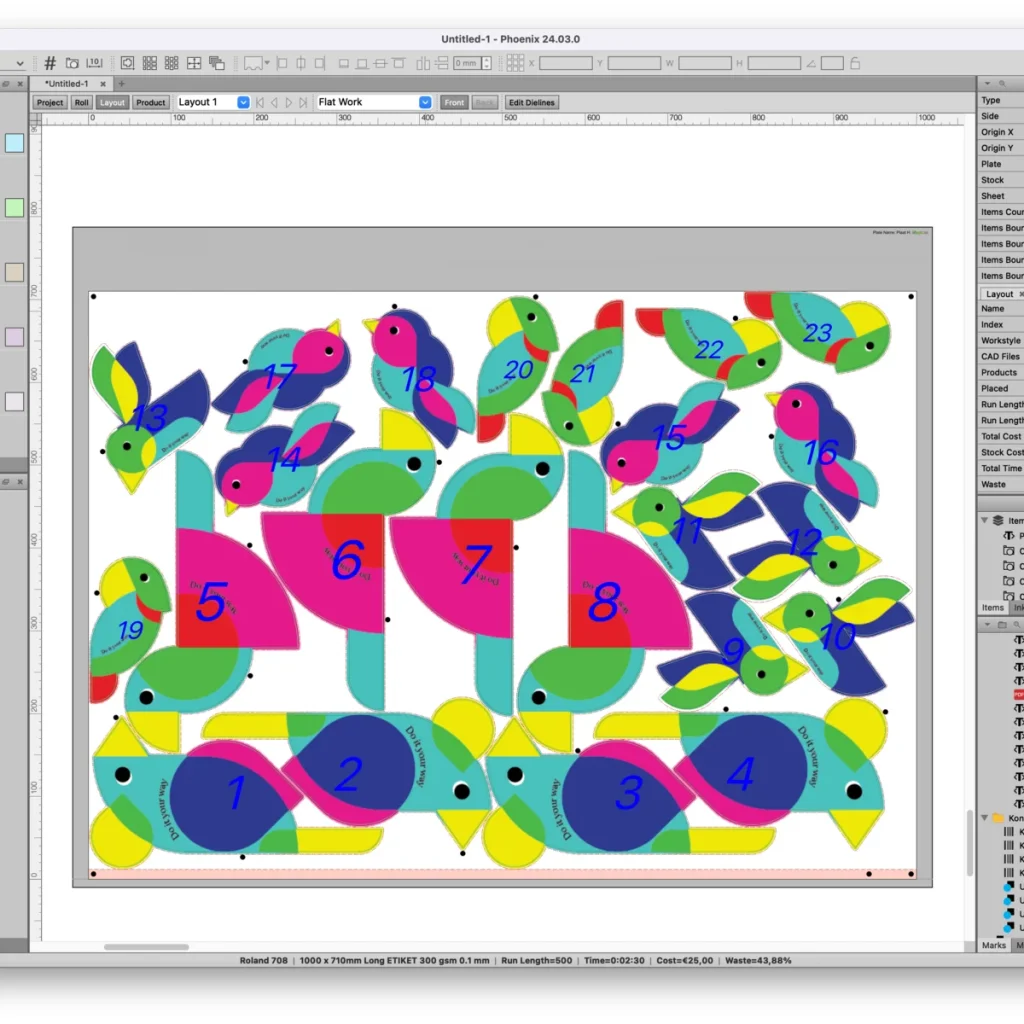
Imposition — arranging pages so they end up correctly in the final product after printing, folding and cutting — becomes much harder with double-sided photo products. Especially when you don't print a run of 500 identical products, but 500 personalised products in a run of one. And all while building a complete digital press department within seven months.
Choosing Phoenix and GrafiStore
After closing a German production site, Fujifilm set up a new production line in Steenbergen for photo books, calendars and greeting cards. Via an article in PRINTmatters, the company learned about Enfocus Switch and Phoenix in April 2024. IT-system engineer Mark Joosse: “That software turned out to share the same basis as Automation Engine, which we already used for our Kongsberg cutters. GrafiStore is the Enfocus dealer in the Netherlands, and so I got talking to Germen in May 2024. In that first conversation we gained confidence that Phoenix and GrafiStore could help us get imposition operational within seven months.”
What Phoenix does
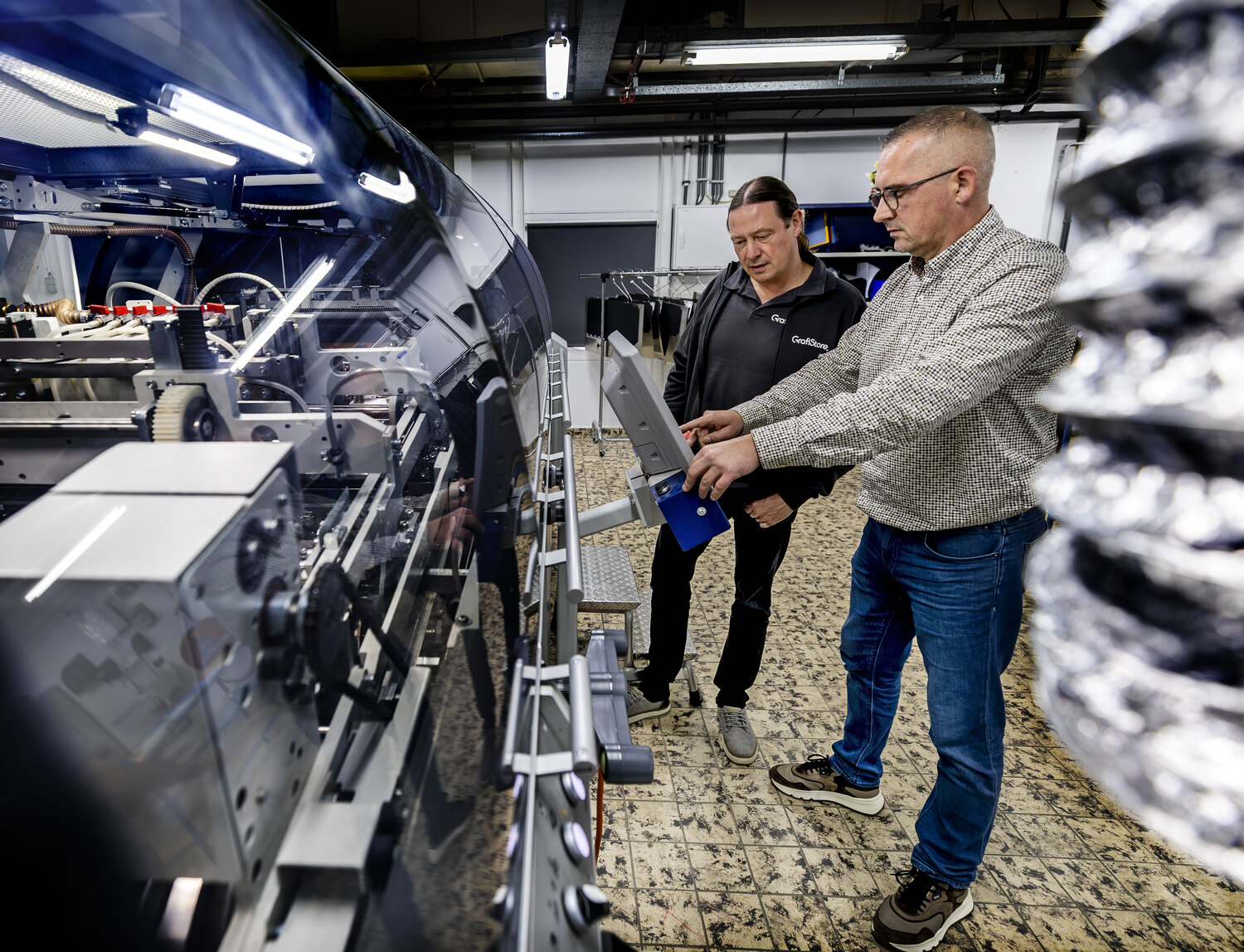
The Fujifilm Jet Press 750S prints duplex in two phases: each sheet is printed on one side, turned and fed in again. Combined with the requirements of the Horizon SmartStacker and the variable build-up of photo books, this made the workflow particularly complex. Joosse: “Phoenix had to determine not only the right print order, but also account for the position of pages on the sheet and how they align again after turning. Every step — from imposition to stacking and cutting — had to connect perfectly.”
Breakthrough in June
Setting it up was technically complex: initially there were only specifications, because the machines weren't there yet. The Horizon SmartStacker played a crucial role, as it requires an exact order of prints. Joosse: “The breakthrough came in June, when Phoenix could correctly generate and include the cutting lines and machine data. Confidence grew that we'd make the January 2025 deadline. We started simple — with a single-sided calendar — and built up step by step to more complex photo products.”
Advantages of Phoenix
Phoenix is not the cheapest package, but of absolute added value. “It stood out mainly for its modern, programmable approach via an API. You send products to Phoenix with API calls, after which results, cutting lines and exported PDFs come back automatically — a fully automated workflow without manual dragging or complex hotfolder logic.” Germen adds: “Compared with packages that often only work via JDF, Phoenix offers a clean architectural model where automation, programmatic control and interface functionality come together.”
A performance issue and a welcome safety net
During testing, performance problems arose with single-copy orders: rendering unique products takes far more computing power. “Five hundred products means five hundred impositions, and the margin for error is zero,” says Joosse. In consultation, a missing function was reported to Enfocus, who quickly came with a hotfix — performance improved by fifty percent while print quality stayed the same.
Frank Lubbers: “In May 2024 we had our first meeting with GrafiStore; in September the first tests had to run, and in January 2025 production was up. A pressure cooker. Mark and his team could do a lot themselves, but without GrafiStore's expert and flexible support it would have been impossible to achieve this in seven months.”
GrafiStore: Phoenix partner in the Benelux
GrafiStore offers training, support, complete software implementations and custom development. Germen Kroon is the owner of GrafiStore, gold partner in the Benelux for Enfocus Switch and the imposition package Enfocus Phoenix. “As needed, we help clients develop complete production software, or parts of it — as with Fujifilm, setting up the imposition. Usually we build the solution entirely ourselves, but sometimes we discuss a feature request with a developer, as here with Enfocus.”
Text: Wim Danhof. Photography: Pim Ras. Originally published in PRINTmatters.