Tradition has a place in our automation industry. Print shops are known for their craftsmanship and complex processes — from typesetting and the precision of lithography to the physical printing techniques that formed the heart of the industry. But traditional craftspeople are becoming scarce, while people without technical knowledge enter the 'realm of the graphic arts'. What do we see?
Traditional processes
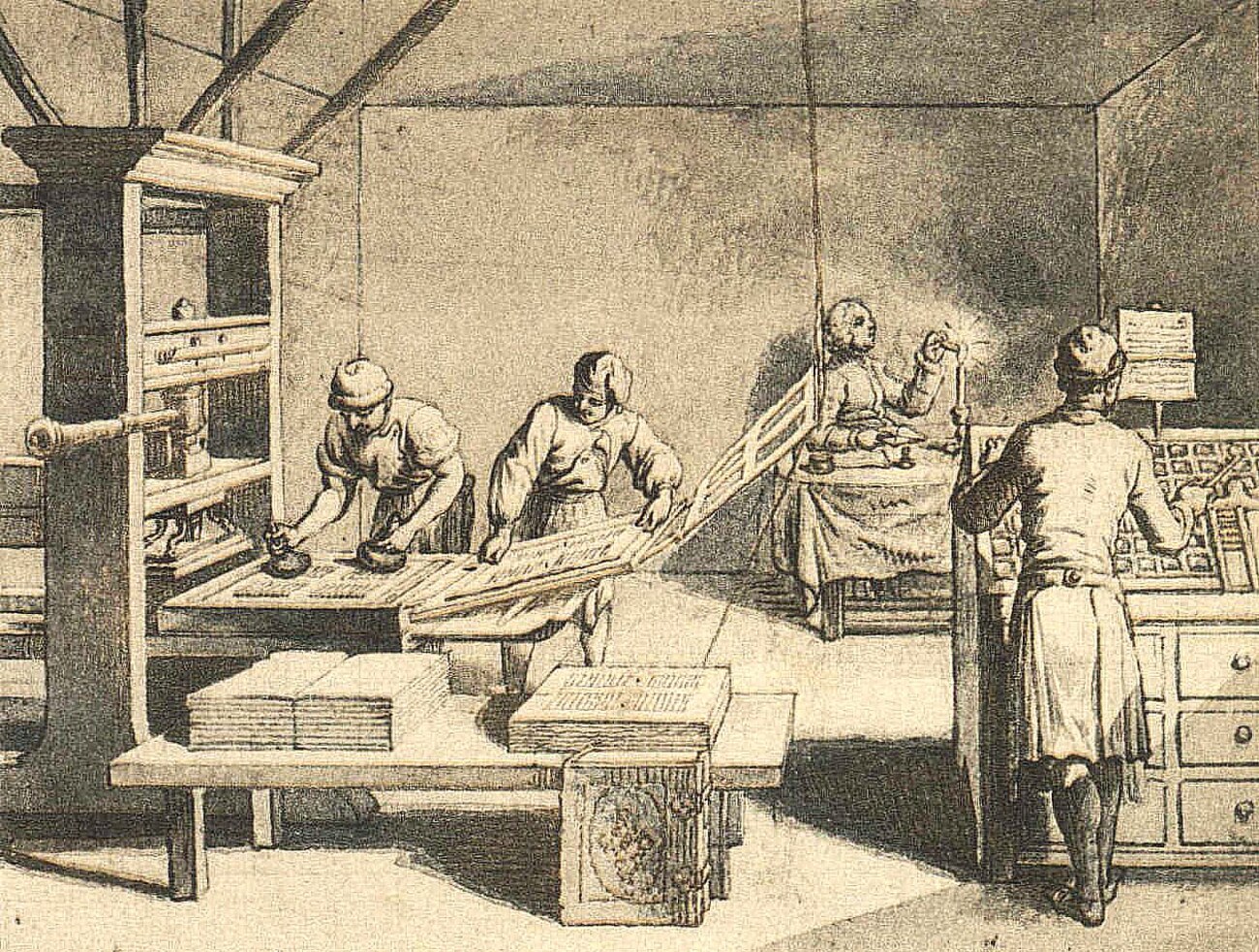
At the heart of traditional print shops beats the craftsmanship of generations of printers: people who keep the art of printing alive with passion and precision. They understand the nuances of ink on paper, the fine settings of the presses and the artisanal finishing that makes print unique.
But the world has changed. With digital technology and automation the playing field is radically different. To stay competitive, printers must offer not only craftsmanship but also speed, efficiency and adaptability. Automation is not an enemy of craftsmanship, but a necessary tool to support and extend it. Yet we see many a director hesitate where to start — no one wants to lose their specialists, and new ones are hard to find.
The 'secret' start of automation
What works very well: replace processes performed several times a day. Investigate what happens and how often, and tackle exactly what occurs most — relieving staff of repetitive actions. The setup takes some time, but afterwards you see greater productivity and happier staff, because there is more time for other tasks.
The role of traditional craftspeople
Automating does not mean the knowledge and experience of traditional printers is lost — on the contrary. These professionals are indispensable to manage and maintain the technology well; their insight is crucial to safeguard quality and make the most of automated systems. The only thing that truly matters is that they cooperate rather than resist automation. Our goal is to let people and machines work together to get the best out of both. Because let's be honest: real printing is human work.
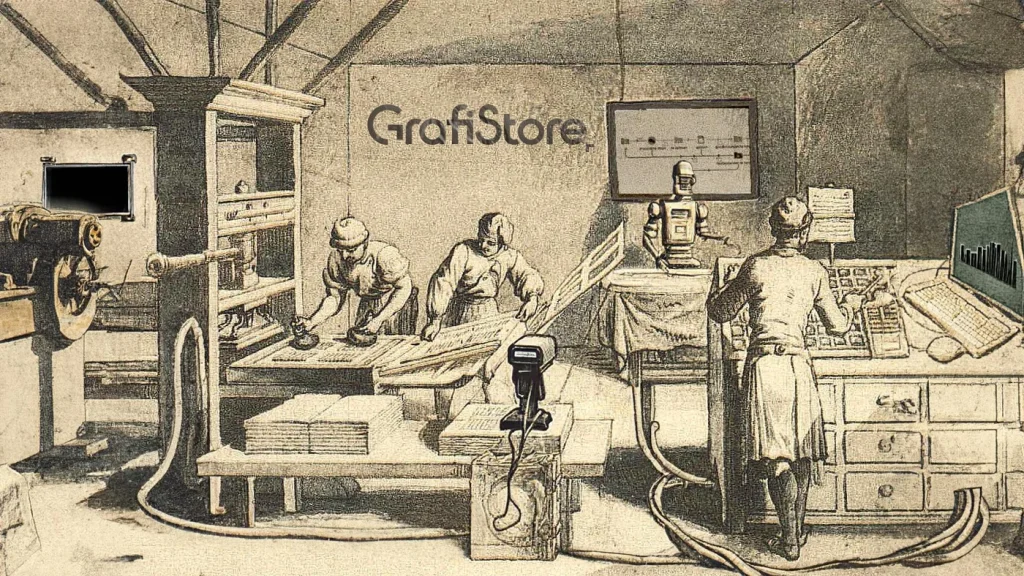
Image: Daniel Chodowiecki (public domain), original adapted with artificial intelligence — fitted with a computer, barcode scanner, cables, machines, Enfocus Switch and the GrafiStore logo by Germen Kroon.